Winter is a season many of us look forward to—snow-covered landscapes, holiday celebrations, and cozy nights spent indoors. Yet the colder months also bring rising heating costs, which can put a strain on household budgets. There are practical ways to maintain warmth and comfort without overspending. From keeping plumbing and electrical systems in good shape to upgrading insulation and sealing drafts, a few strategic steps can make a home more energy-efficient and keep heating bills under control.
Small adjustments and preventive measures in key areas of home maintenance can add up to significant savings, helping homes stay warm and comfortable throughout the season. By paying attention to efficiency and addressing potential issues before they escalate, it’s possible to enjoy a cozy winter without letting energy costs spiral.
Clear Out Pipe Blockages to Improve Heating Efficiency
Clogged pipes may not immediately come to mind when thinking about heating efficiency, but they can have a substantial impact. Water flow is critical for hydronic heating systems, radiators, and hot water heaters. When pipes are obstructed by mineral buildup, sediment, or debris, the system must work harder to maintain comfortable temperatures, which directly increases energy consumption.
One of the most effective ways to tackle this problem is through hydro jetting services, which use high-pressure water streams to remove blockages and restore optimal flow. Unlike chemical cleaners, hydro jetting is safe, eco-friendly, and highly effective, even for stubborn buildup in both small and large pipes. Restoring proper water flow reduces strain on your heating system, allowing it to operate more efficiently and maintain warmth throughout your home.
Regular maintenance also provides a preventive benefit. Frozen or blocked pipes during the cold months can burst, causing costly damage. By investing in hydro jetting services early, you not only improve efficiency but also reduce the risk of winter plumbing disasters. Many homeowners find that the cost of preventive maintenance is far less than emergency repair expenses, making this a practical and frugal approach to winter home care.
Unclogged pipes improve hot water circulation. This means showers heat faster, radiators distribute warmth evenly, and boilers operate smoothly. In the long run, this leads to consistent heating throughout the home, reducing the constant fluctuations that make some rooms feel colder than others.

Ensure Your Underground Systems Are Functioning Properly
Underground systems like septic tanks are often overlooked when it comes to home efficiency. Yet a failing or clogged septic system can indirectly affect your heating bills. For instance, drainage problems or backups can increase the demand on your water heater, especially during cold mornings when hot water usage spikes.
Scheduling local septic repairs before winter ensures your system operates smoothly and prevents inefficiencies that can contribute to higher energy costs. Even minor blockages or cracks can create problems that make your heating system work harder than necessary. Professional repairs protect your plumbing while ensuring your home remains comfortable during colder months.
Preventive measures can also avoid emergencies. Frozen or backed-up septic systems during winter can leave homeowners without functioning plumbing, which adds stress and additional energy costs as you try to compensate. By addressing septic issues proactively, you help your entire household operate efficiently while keeping heating costs down.
A properly functioning underground system also prevents moisture-related issues. Standing water or leaks near your foundation can seep into your basement, raising humidity levels. Humid air requires more energy to heat, meaning your HVAC system works harder. Local septic repairs, therefore, not only protect your plumbing but also help regulate indoor climate and contribute to overall energy savings.
Keep Water Removal Systems Running Smoothly to Protect Your Home
Water removal systems, such as sump pumps, play a critical role in maintaining a dry home environment. Excess moisture in basements or crawl spaces can make it harder to heat your home efficiently. Damp air absorbs heat, forcing heating systems to operate longer to maintain comfort.
Scheduling sump pump repairs guarantees that your water removal system functions properly, keeping moisture levels low and preventing heat loss. A well-maintained sump pump reduces the strain on your heating system, ensuring your home stays warm while protecting it from water damage.
Winter presents additional challenges, including frozen or clogged drains that can compromise performance. Routine inspections and timely repairs keep your sump pump effective, preventing both heat loss and costly water damage. A dry home is a warm home, and maintaining your water removal system is an easy step toward efficiency.
Moreover, properly functioning sump pumps also help maintain indoor air quality. Excess moisture can lead to mold and mildew growth, which not only affects health but also impacts insulation performance. Wet insulation doesn’t trap heat effectively, causing your heating system to work overtime. By investing in sump pump repairs, you improve comfort, air quality, and energy efficiency all at once.

Upgrade Electrical Systems for Safer, Smarter Energy Use
Your home’s electrical system directly affects energy efficiency, particularly in winter when heating devices, lighting, and appliances consume more power. Aging or faulty wiring can waste electricity, increasing your bills without improving comfort.
Hiring certified electricians to inspect and upgrade your system can significantly improve energy efficiency. Professionals can identify inefficiencies, replace outdated components, and recommend solutions such as energy-efficient lighting or programmable thermostats. A well-maintained electrical system ensures that heating devices run safely and effectively, reducing unnecessary energy consumption.
Certified electricians can also help you incorporate modern energy-saving technologies, like timers for heating zones or surge protectors for HVAC systems. These upgrades allow you to heat only the areas you need, saving money while maintaining comfort in every room.
Upgrading your electrical system may also open opportunities to integrate renewable or alternative energy solutions. Smart thermostats, energy monitors, and zoned heating systems rely on properly wired circuits to function correctly. Investing in these improvements now allows you to optimize your home for both comfort and long-term energy savings.
Maintain Your Home Appliances for Maximum Energy Savings
Heating efficiency is influenced not only by your HVAC system but also by other home appliances. Appliances like water heaters, ovens, and laundry machines can indirectly impact energy consumption. A malfunctioning appliance may take longer to operate, causing your heating system to compensate for lost heat or additional hot water demand.
Using appliance repair services ensures that all major appliances function efficiently. Technicians can perform routine maintenance, identify failing components, and make repairs that reduce energy waste. Keeping appliances in top condition helps your heating system operate more efficiently, which reduces energy bills and maintains a comfortable indoor environment.
Cleaning refrigerator coils, servicing water heaters, and repairing inefficient ovens can make a noticeable difference. For example, a water heater that heats more efficiently reduces the need for your boiler to run longer to maintain hot water, which in turn reduces overall energy usage. Combined with other preventive measures, appliance maintenance is a simple but highly effective way to lower winter heating costs.
Detect Hidden Leaks That Could Waste Heat and Energy
Leaks, whether visible or hidden, can significantly reduce heating efficiency. Air leaks, water leaks, and even small plumbing gaps allow warm air to escape, forcing your heating system to work harder to maintain a consistent temperature.
A swimming pool leak detection service may seem specific, but these professionals are highly skilled at identifying hard-to-detect leaks. Techniques such as pressure testing and infrared detection can reveal leaks that would otherwise go unnoticed in your plumbing system. Early detection and repair of these leaks prevent heat loss, reduce energy consumption, and help your home stay consistently warm.
Even minor leaks can contribute to wasted energy over time. Addressing them proactively ensures your heating system doesn’t need to compensate for lost warmth, saving both energy and money. Furthermore, repairing leaks can prevent damage to floors, walls, and ceilings, which might require energy-intensive remediation if left unchecked.
Seal and Upgrade Openings to Keep Warm Air Inside
Windows and doors are major points of heat loss during winter. Poorly sealed or outdated openings allow warm air to escape and cold air to enter, increasing heating costs and reducing comfort. Properly installed, energy-efficient windows can dramatically improve your home’s insulation and efficiency.
Professional window installation ensures that openings are airtight and properly insulated. Modern windows often include features such as double or triple panes, low-emissivity coatings, and insulated frames to minimize heat loss. Upgrading your windows keeps warm air inside and reduces drafts, allowing your heating system to maintain a steady indoor temperature without overworking.
Even temporary solutions, such as weatherstripping or window insulation film, can make a significant difference. In addition, window coverings like thermal curtains help retain heat during the night and can be opened during sunny days to allow natural warmth inside. These small measures, combined with professional installation, provide long-term energy savings and comfort.
Switch to Efficient Fuel Sources for Consistent Heating
The fuel you use for heating plays a critical role in both cost and efficiency. Certain fuels burn more efficiently, delivering more heat per dollar spent. Propane, for instance, is known for its high efficiency and consistent performance, making it a reliable choice for many homes.
Optimizing your propane system can reduce energy waste and provide a steady heat source throughout winter. Propane burns cleanly, allowing heating systems to operate efficiently while minimizing maintenance and emissions. By choosing an efficient fuel source, you can enjoy reliable warmth without inflating your energy bills.
Whether upgrading an older system or simply fine-tuning your current setup, using propane strategically helps maximize your heating efficiency. When combined with proper maintenance and insulation, this approach keeps your home comfortable without overspending.
Prevent Unexpected Pests From Compromising Insulation
Pests may not be an obvious concern when thinking about heating efficiency, but animals like rodents, raccoons, and birds can damage insulation. Compromised insulation allows heat to escape, forcing your heating system to work harder and driving up energy costs.
A professional wildlife removal service can safely remove pests and repair any damage they’ve caused. Restoring the integrity of your insulation prevents heat loss, improves efficiency, and keeps your home warm throughout the winter. Preventing future infestations ensures that your energy-saving measures remain effective.
Even small gaps in attics or walls can become entry points for wildlife, so addressing these vulnerabilities proactively protects both your home and your energy bills. Sealing these areas also helps prevent cold drafts and unwanted moisture, which further contributes to a more efficient home.
Inspect and Repair Roofs to Retain Heat and Prevent Drafts
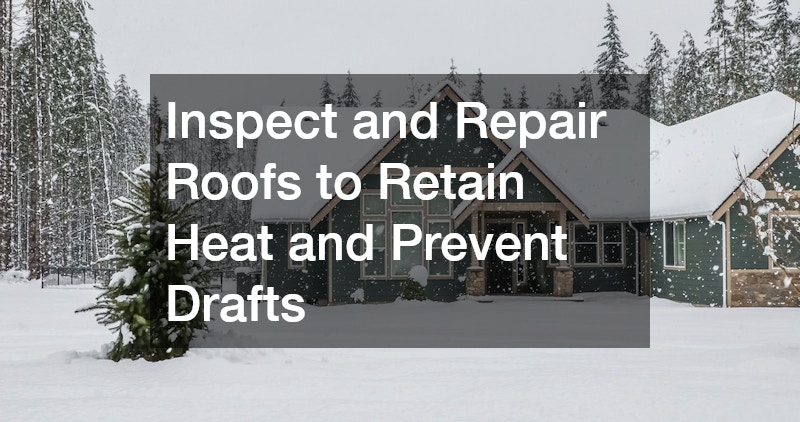
Your roof is one of the most critical barriers against heat loss. Damaged shingles, leaks, or poor attic insulation can allow warm air to escape and cold air to enter, reducing heating efficiency and increasing bills.
Hiring a professional roofer to inspect and repair your roof ensures that your home is properly sealed and insulated. Replacing shingles, sealing gaps, and improving attic insulation can reduce heat loss significantly. A well-maintained roof allows your heating system to work efficiently, keeping your home consistently warm without overexertion.
Proactive roof maintenance not only improves energy efficiency but also protects against winter storms, ice dams, and heavy snowfall. Investing in your roof is a simple yet effective way to safeguard comfort and reduce heating costs throughout the season.
There are many strategies you can use to maximize winter efficiency and cut heating costs without sacrificing comfort. Small adjustments and preventive measures often add up to significant savings over time.
Using a programmable thermostat allows you to adjust indoor temperatures automatically based on your schedule, preventing unnecessary heating in empty rooms. Sealing drafts around doors, vents, and outlets keeps warm air inside and cold air out. Layering clothing indoors lets you lower the thermostat without feeling uncomfortable.
Simple practices like running ceiling fans clockwise at low speed help circulate warm air trapped near the ceiling. Regular HVAC maintenance, including filter replacements, vent cleaning, and professional inspections, ensures your heating system operates at peak efficiency.
By combining these habits with the preventive maintenance and upgrades outlined above, you can enjoy a cozy home all winter while keeping energy costs under control. Staying warm doesn’t have to mean overspending. With thoughtful planning, proper maintenance, and a few practical adjustments, you can cut your heating bills and maintain comfort all season long.