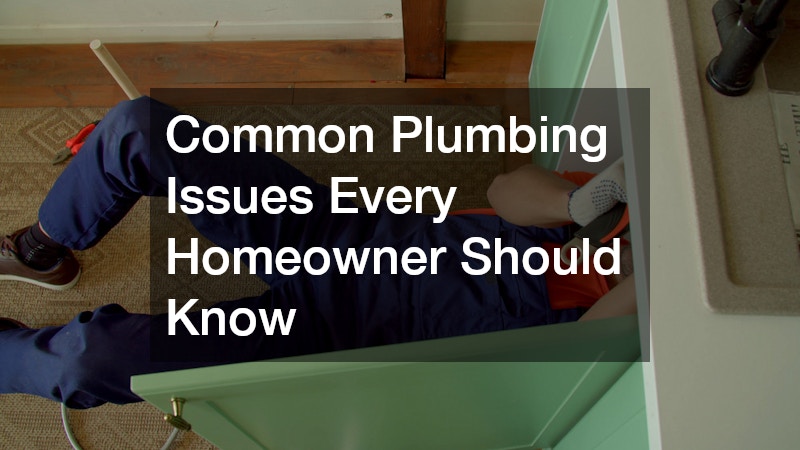
Being a homeowner comes with its fair share of responsibilities, and one area that often causes headaches is plumbing. From leaky faucets to clogged drains, plumbing issues can disrupt daily life and, if left unchecked, lead to costly repairs. Understanding common plumbing problems, learning preventive measures, and knowing when to call a professional can save time, money, and stress. This guide explores the most frequent plumbing issues homeowners encounter and offers practical advice on managing them effectively.
What Are the Most Common Plumbing Problems in Homes?
Leaky faucets are one of the most common plumbing issues in households. While a dripping faucet might seem minor, it can waste a significant amount of water over time, increasing your water bill and potentially causing damage to countertops or cabinetry.
The most frequent causes include worn-out washers, corroded valve seats, or loose parts. Simple fixes, such as replacing washers or tightening fittings, can resolve the problem, but persistent leaks may require professional plumbing repairs to ensure the faucet functions correctly.
Clogged drains are another frequent annoyance for homeowners. Hair, soap residue, grease, and other debris can accumulate over time, leading to slow drainage or complete blockages. While minor clogs can often be cleared with a plunger or a plumbing snake, repeated or severe blockages may indicate underlying issues in the pipes that need professional attention. Preventive measures include using drain guards, avoiding pouring grease down sinks, and performing regular maintenance to reduce the risk of clogs.
A running toilet can waste hundreds of gallons of water daily and increase your utility bills. This problem typically arises from issues with the flapper valve, fill valve, or flush handle. Homeowners can often diagnose the issue by listening for continuous water flow or observing water movement in the tank. While some running toilets can be fixed with simple adjustments or part replacements, persistent problems may require professional plumbing repairs to prevent water waste and damage.
How Can Homeowners Prevent Plumbing Issues?
Regular maintenance is crucial in keeping plumbing systems in good working condition. Inspecting faucets, toilets, and drains periodically can help identify leaks, corrosion, or early signs of clogs before they escalate into major problems. Scheduling routine plumbing inspections, especially for older homes, ensures that potential issues are caught early and resolved efficiently.
Simple usage habits can significantly reduce the likelihood of plumbing problems. Avoid flushing items like sanitary products, paper towels, or baby wipes down the toilet, as these can easily cause clogs. Additionally, refrain from pouring grease, oil, or large food particles down kitchen sinks. By adopting proper usage practices, homeowners can minimize the need for frequent plumbing repairs and extend the life of their plumbing systems.
Maintaining proper water pressure is another key factor in preventing plumbing problems. Excessively high water pressure can strain pipes, joints, and fixtures, leading to leaks or bursts over time. Installing a pressure regulator and checking it periodically can protect your plumbing system and prevent costly damage.
When Should a Professional Plumber Be Called?
Some plumbing issues require immediate professional attention. Severe leaks, burst pipes, or sewer backups can quickly escalate into dangerous situations if not addressed promptly. In such emergencies, calling a licensed plumber ensures that the problem is handled safely and efficiently, preventing water damage, mold growth, or structural issues.
Not all plumbing problems can be resolved with DIY solutions. Certain repairs, such as replacing main water lines, repairing hidden leaks, or fixing complex drainage systems, require specialized tools and expertise. Attempting these tasks without proper knowledge can worsen the problem. In these cases, professional plumbing repairs are essential to ensure the work is completed correctly and safely.
Installing new plumbing systems, whether it’s a water heater, sump pump, or bathroom remodel, demands professional expertise. Proper installation ensures the system functions efficiently, meets local building codes, and avoids future complications. A licensed plumber can guarantee that new systems are installed correctly, reducing the likelihood of costly repairs down the line.
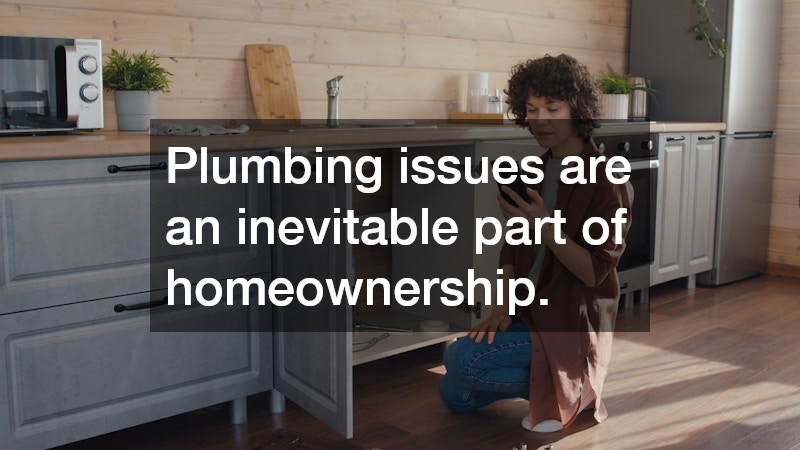
Plumbing issues are an inevitable part of homeownership, but being informed can help you manage them effectively. Common problems like leaky faucets, clogged drains, and running toilets can often be addressed with preventive measures and routine maintenance. However, knowing when to call a professional for plumbing repairs is crucial for ensuring safety and avoiding more significant expenses. By staying vigilant and adopting good plumbing practices, homeowners can protect their homes, save money, and enjoy peace of mind knowing that their plumbing system is well-maintained.
Whether tackling minor issues yourself or enlisting the help of a professional, proactive care is the key to a healthy, efficient plumbing system that serves your household reliably for years to come.